
Hexamethyldisilazane Applications
Hexamethyldisilazane Applications
Hexamethyldisilazane Applications
Hexamethyldisilazane (HMDS) is a colorless, non-toxic, transparent liquid with a slight amine odor, widely used in various fields.
Industrial Applications
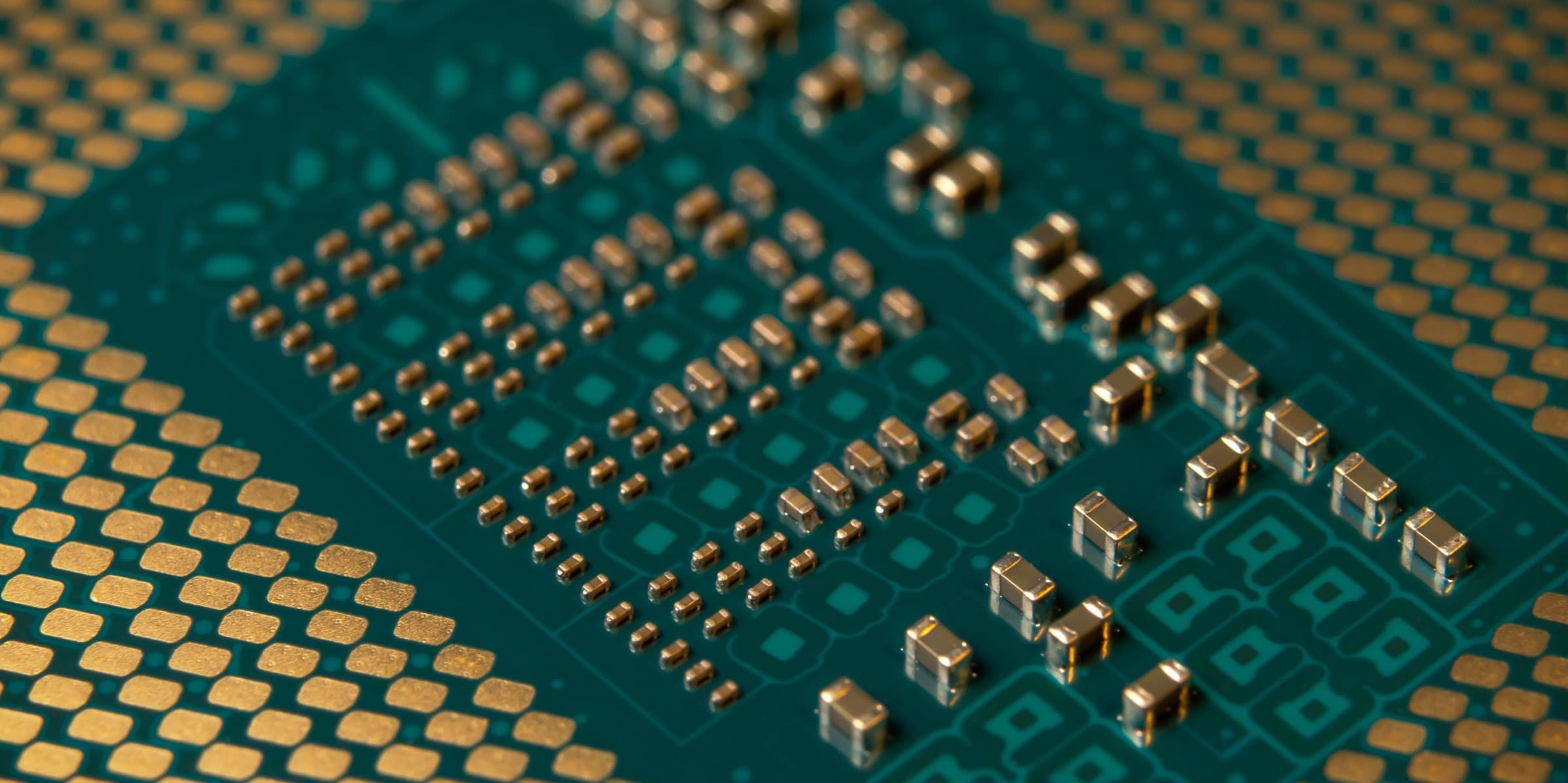
Semiconductor field: In semiconductor manufacturing, HMDS is often used as an adhesion promoter for photoresists, modifying the silicon wafer surface to enhance the adhesion between the photoresist and the silicon wafer, inhibiting the penetration of the etching solution, and improving etch resistance.
Pharmaceutical industry: HMDS is an important raw material for the synthesis of pharmaceutical intermediates and can be used to synthesize various drugs, such as amikacin, sisomicin, azidothymidine, penicillin, cephalosporin, fluorouracil, etc. In addition, it is involved in the synthesis of some drugs for the treatment of antibiotics, hepatitis, tumors, AIDS, and cardiovascular diseases.
Organic synthesis: In organosilicon chemistry, HMDS can undergo chlorine exchange with chlorosilane monomers to obtain polysilazanes. This method is more advantageous in synthesis than the direct ammonia method. It can also be used as a group protecting agent and activator for the preparation of organosilicon compounds.
Material surface treatment: HMDS can be used for the surface treatment of powders such as diatomaceous earth, fumed silica, and titanium. Through the condensation of silicon-nitrogen bonds with silicon hydroxyl groups, it improves the performance and application effects of the materials.
Rubber production: As an additive in rubber production, HMDS can improve the performance of organosilicon new materials such as silicone rubber, silicone oil, and silicone resin, such as anti-aging, tear resistance, high and low temperature resistance, corrosion resistance, thermal insulation, and hydrophobicity, thereby improving the quality and service life of rubber products.
Other applications: HMDS is also used as a tailing reducer to reduce the adsorption activity on the surface of gas chromatography carriers; in electron microscopy, it is used as a desiccant for critical point drying during sample preparation; in pyrolysis-gas chromatography-mass spectrometry analysis, adding it to the analyte can improve the detection sensitivity of the compound.
Chemical Properties
HMDS is easily hydrolyzed, releasing ammonia gas (NH3) and forming hexamethyldisiloxane. In the presence of a catalyst, it reacts with alcohols or phenols to form trimethylalkoxysilanes or trimethylaryloxysilanes. It reacts with anhydrous hydrogen chloride, releasing ammonia gas or ammonium chloride (NH4Cl), to produce trimethylchlorosilane. It can be prepared by the reaction of trimethylchlorosilane with ammonia gas (NH3).